
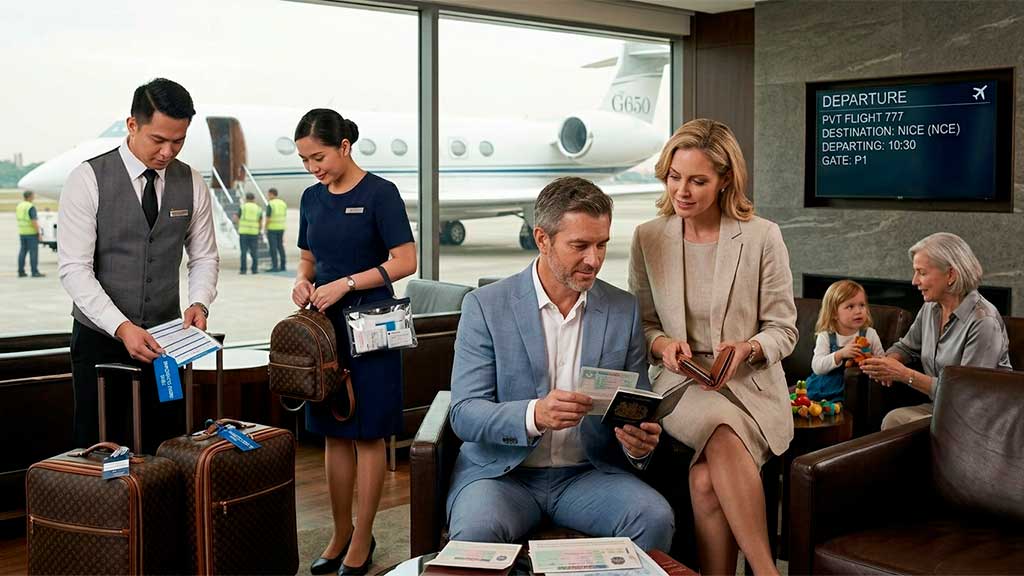
In the world of high-net-worth individuals, global mobility is a constant. Whether for seasonal transfers to summer residences, extended business trips, or family vacations, maintaining the home’s service standards remains a priority. Traveling with domestic staff, especially with professionals of Filipino origin due to their recognized adaptability and discretion, guarantees that the family’s lifestyle remains unaltered by a change in geographical coordinates.
However, moving an employee across international borders is no simple task. It requires meticulous planning, encompassing legal compliance, visa management, and protocol for living in new environments. Poor logistics can transform a pleasure trip into an administrative conflict. In this article, we break down the pillars to ensure your staff’s international transfers are fluid, legal, and professional.
Legal architecture: visas and regulatory compliance
The first and most important step is to ensure that domestic staff have the legal right to work, even temporarily, in the destination country. Regulations vary drastically between jurisdictions, and improvisation is not an option.
Specific visa management (b-1, schengen, and others)
Depending on the destination, specific visa categories exist for domestic employees accompanying their employers. For instance, in the United States, the B-1 visa is the standard, requiring a work contract that complies with US labor laws during the stay. In the Schengen zone, protocols may vary by entry country. Filipino staff, due to their experience in international households, are often familiar with these processes, but it is the responsibility of the family office or agency to ensure all documentation—including international health insurance—is in order months in advance.
International hiring and labor legislation
It is vital to understand that, when crossing a border, an employee may become subject to the labor laws of the host country. This includes local minimum wages, limits on working hours, and rest days. Luxury Philippines staff stand out for their flexibility, but the employer must ensure that the agreed-upon conditions respect both the original contract and the destination’s requirements, avoiding unnecessary legal risks for the family.
Operational logistics and staff wellbeing
Once the legal aspect is resolved, the success of the trip resides in day-to-day logistics. Domestic staff must be able to operate with the same efficiency on a yacht, a rented villa, or a luxury hotel as in the primary residence.
Transportation and accommodation planning
Logistics start with the airline ticket. The standard protocol in the luxury sector dictates that staff travel must be fully managed by the family. Regarding accommodation, it must be dignified and allow the necessary rest for the employee to perform at the required level. A rested employee with their private space respected is an employee who will maintain service excellence throughout the vacation season.
Working equipment and tools abroad
Will the chef bring their own knives? Does the butler need access to local currency for emergency purchases? Filipino-origin staff are extremely resourceful but will appreciate a clear roadmap. It is fundamental to define beforehand what resources they will find at the destination and which must travel with them. Prior coordination with the destination’s existing residence staff (if any) is key to immediate integration.
Health and travel insurance
Staff wellbeing is the guarantee of service. Ensuring that the employee has full international medical coverage is an ethical and practical obligation. This includes not only emergency care but also access to medications if necessary, avoiding service interruptions due to unforeseen health problems.
Protocol and discretion in mobility environments
Traveling alters habitual dynamics of privacy. In a vacation villa, spaces are often more confined than in the primary residence, requiring a reinforced protocol of discretion.
Cultural adaptability and etiquette at destination
Filipino staff possess a chameleon-like ability to adapt to different cultural environments. Whether managing a dinner in the Alps or an event on a private island, they know how to adjust their etiquette to the context. The butler or personal assistant must know local customs beforehand to act as facilitators for the family, from managing local tips to etiquette in the destination’s exclusive establishments.
Time management and availability
During trips, agendas are usually more unpredictable. It is crucial to establish clear expectations regarding working hours. High-level domestic staff prefer clarity: knowing when total availability is required and when they can enjoy their free time at the destination. This transparency reinforces loyalty and the employee’s commitment to the family trip’s success.
Conclusion
Traveling with your domestic staff is the ultimate expression of modern comfort. It allows the family to focus on the trip’s purpose, whether rest or business, delegating the complexity of daily life to trusted hands. Nonetheless, this privilege carries a logistical and legal responsibility that must not be underestimated.
At Luxury Philippines Domestic Service, we not only provide the best Filipino-origin staff, but we also advise our clients on managing these international transfers. Our goal is that the excellence you enjoy in your home travels with you to any corner of the world, with the certainty that every detail, from the visa to the table service on a ship’s deck, is under professional control.